

The Lacoste Lesson: When Brand and Investment Discipline Work Together
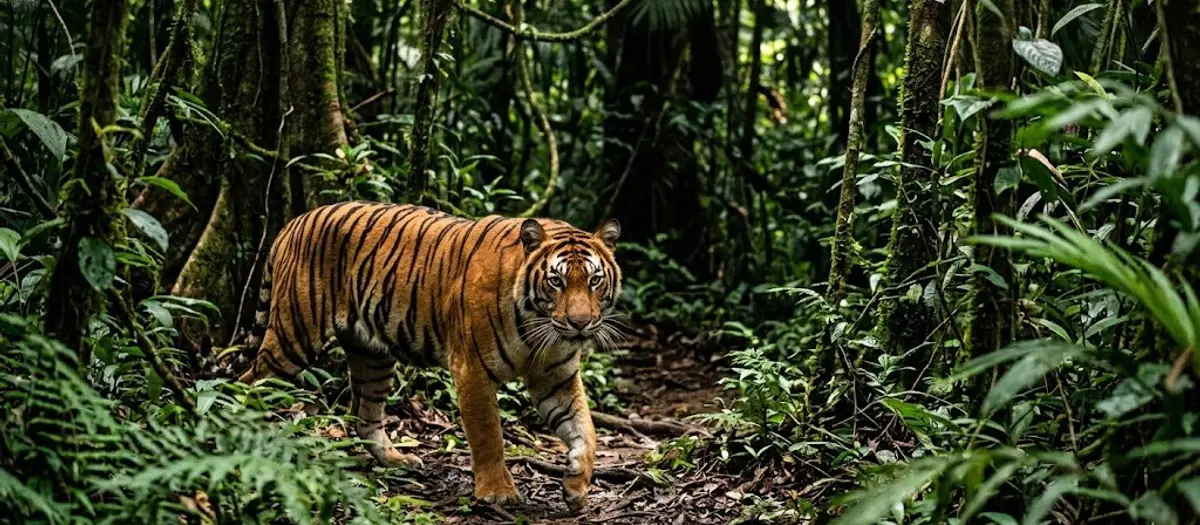
In 2018, Lacoste broke an 89-year tradition. They replaced their iconic crocodile — one of the most recognized logos in fashion — with ten endangered species.
The number of shirts printed for each species matched the exact number of animals left in the wild. Thirty shirts for the Vaquita porpoise. Three hundred fifty for the Sumatran tiger. Four hundred fifty for the Anegada rock iguana.
It sold out in hours. But that's not the lesson.
Why This Campaign Still Gets Discussed
The Lacoste campaign ran in 2018. We're still talking about it in 2026. That kind of staying power doesn't happen by accident, and it definitely doesn't happen through media spend.
Most marketing teams think about brand campaigns as awareness plays — expensive, hard to measure, defensible only when the CFO is feeling generous. Lacoste's Save Our Species campaign was the opposite of that. It was a brand idea with a mechanical constraint built in, and the constraint is what made it work.
Here's what was different about it:
Scarcity was real, not manufactured. Most brands use scarcity as a conversion tactic. Limited time. Limited stock. Lacoste used scarcity to represent something true about the world — each shirt was a physical record of how close we are to losing a species. That changes the entire psychological contract with the customer.
The urgency created meaning, not anxiety. When urgency is manufactured, customers feel pressured. When urgency is real, customers feel alignment with a cause that matters. Memory built on meaning lasts longer than memory built on FOMO. And memory is how preference compounds over time.
The campaign met a cultural moment. In 2018, brand purpose was shifting from aspiration to evidence. Customers were developing a finer instinct for authenticity. A campaign this specific — thirty shirts, one porpoise, zero ambiguity — couldn't be dismissed as empty positioning. It was provable.
The Capital Efficiency Argument
My team and I obsess every day about capital deployment. Where does the next dollar go? How do we generate the maximum long-term return?
Most of the time, the answer lives in optimization. Performance channels, measurement infrastructure, incrementality testing — the machinery of capital-efficient growth. That's where most of our attention belongs.
But the Lacoste campaign is a useful reminder that brand and performance are not competing philosophies. They're compounding ones.
A brand that people genuinely want to belong to reduces long-term acquisition friction. It increases the value of every performance dollar because the brand is doing work before the ad runs. Customer retention improves because loyalty to a brand is stickier than loyalty to a price or a promotion.
When brand investment is done with the same discipline that performance investment gets — with a clear thesis, a mechanical idea, a measurable outcome — it doesn't dilute capital efficiency. It multiplies it.
That's the lesson Lacoste's crocodile taught the industry. The best brand campaigns aren't opposed to financial rigor. They're built on it.
David Manela is co-founder of Exactius, a growth and data science company. Follow him on LinkedIn for more frameworks on growth, marketing, and capital allocation.
David Manela
David Manela is the founder of Exactius and creator of the Growth Operating System — a framework for deploying capital-efficient, compounding growth inside scaling companies.
Related Reading
Keep going



Ready to fix the system?
Your growth system is either compounding or degrading.
Book a diagnostic call. We'll identify where your growth system is breaking and what it's costing you.